
When we think of film and television, often the first word and image we recall is Hollywood. The bright white Hollywood sign hovering over Los Angeles. Beneath it, a bustling city of fancy offices, mountainside mansions, and gleaming red carpets graced by flawless stars and powerful executives.
But this classic image reflects our nostalgia for a 20th century media ecosystem that is quickly fading. Legacy media companies are consolidating in the wake of competition from newer tech titans, as we’ve seen recently with the proposed merger between Paramount and Warner Media as they seek to fend off competition from Netflix and YouTube. Pathways for releasing long-form films and series—still regarded as the pinnacle of moving image artistry—are disappearing.
The new Hollywood is moving away long-form storytelling distributed on broadcast or cable channels, released in theaters or produced in Los Angeles.
If the Midwest is an historically marginalized but growing hub for film, television, and digital production, what are the challenges and benefits of living and working here as a person or company led by someone who identifies with communities that are also historically marginalized?
To answer this question, the Media and Data Equity (MADE) Lab at Northwestern University partnered with Chicago-based non-profit distribution platform OTV | Open Television, Detroit-based non-profit development and production incubator Detroit Narrative Agency as well as Detroit-based independent producer Paige Wood.
A full report will be released fall 2026.
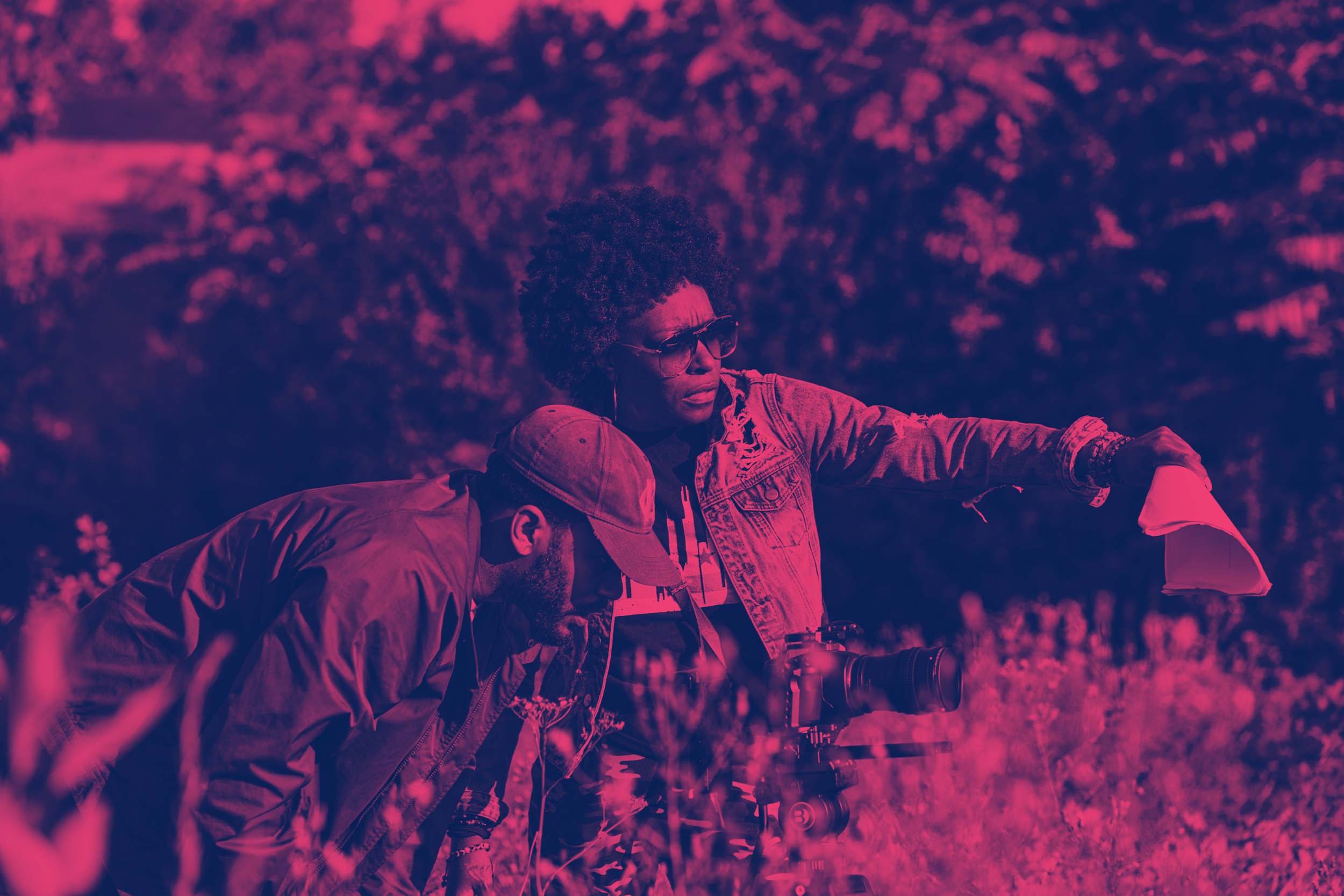
Image credit: Jacqueline Rivas